



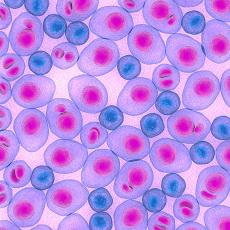
Cancer begins in your cells, which are the building blocks of your body. Normally, your body forms new cells as you need them, replacing old cells that die. Sometimes this process goes wrong. New cells grow even when you don't need them, and old cells don't die when they should. These extra cells can form a mass called a tumor. Tumors can be benign or malignant. Benign tumors aren't cancer while malignant ones are. Cells from malignant tumors can invade nearby tissues. They can also break away and spread to other parts of the body.
Cancer is not just one disease but many diseases. There are more than 100 different types of cancer. Most cancers are named for where they start. For example, lung cancer starts in the lung, and breast cancer starts in the breast. The spread of cancer from one part of the body to another is called metastasis. Symptoms and treatment depend on the cancer type and how advanced it is. Most treatment plans may include surgery, radiation and/or chemotherapy. Some may involve hormone therapy, immunotherapy or other types of biologic therapy, or stem cell transplantation.
- Cancer (National Library of Medicine)Cancer begins in your cells, which are the building blocks of your body. Normally, your body forms ... be benign or malignant. Benign tumors aren't cancer while malignant ones are. Cells from malignant tumors ...
- Throat Cancer (National Library of Medicine)Throat cancer is a type of head and neck cancer. Throat cancer has different names, depending on which part of the throat is affected. The different parts of ...
- Intestinal Cancer (National Library of Medicine)... connects your stomach to your large intestine. Intestinal cancer is rare, but eating a high-fat diet ... increase your risk. Possible signs of small intestine cancer include: Abdominal pain Weight loss for no reason ...
- Colorectal Cancer (National Library of Medicine)What is colorectal cancer? Colorectal cancer is cancer that develops in the tissues of the colon or rectum. Your colon and rectum are part of your digestive ...
- Nasal Cancer (National Library of Medicine)... the way to your throat as you breathe. Cancer of the nasal cavity and paranasal sinuses is ... be like those of infections. Doctors diagnose nasal cancer with imaging tests, lighted tube-like instruments that ...
- Uterine Cancer (National Library of Medicine)... is pregnant. There are different types of uterine cancer. The most common type starts in the endometrium, ... the uterus. This type is also called endometrial cancer. The symptoms of uterine cancer include: Abnormal vaginal ...
- Cancer--Living with Cancer (National Library of Medicine)Learning to live with cancer Cancer is a common disease. Almost 40 percent of Americans will be diagnosed with cancer during their lifetimes. Even though ...
- Kidney Cancer (National Library of Medicine)... taking out waste products and making urine. Kidney cancer forms in the lining of tiny tubes inside your kidneys. Kidney cancer becomes more likely as you age. Risk factors ...
- Stomach Cancer (National Library of Medicine)... with stomach acid and helps digest protein. Stomach cancer mostly affects older people - two-thirds of people ... Smoke cigarettes Have a family history of stomach cancer It is hard to diagnose stomach cancer in ...
- Cancer in Children (National Library of Medicine)Cancer is a group of related diseases. In all types of cancer, some of the body's cells begin to divide ... be benign or malignant. Benign tumors aren't cancer. Malignant tumors are cancer, and the cancer cells ...
